

There are a handful of people in the watch industry whose fingerprints are on nearly every era of watchmaking and enthusiasm, and Michael Friedman is one of them. He’s been the kid in the archives of the National Watch and Clock Museum, the specialist at Christie’s fielding calls from Eric Clapton, the American who moved to Switzerland to become Audemars Piguet’s Head of Complications, and, as of this year, the founder of his own independent watch company. Somewhere in between, he became the answer to a trivia question about a Kendrick Lamar lyric. Friedman will tell you none of that was the plan. Instead, it’s the result of a decades-long fascination with why humans decided time was worth decorating in the first place, and he’s spent every job since trying to answer that question from a different angle.

That fascination started at Clark University in the 1990s, not in a watchmaking program but in a psychology class, where a professor named Bernie Kaplan got Friedman thinking about pattern recognition. From there he wandered into time theory: how different cultures measured it, ordered it, gave it meaning. The throughline he kept coming back to was that objects built to track time, like water clocks, obelisks, and wristwatches, have always been embellished, regardless of what they were worth. That idea, that timekeeping and decoration are inseparable, has quietly run underneath everything Friedman has done since, from advising Clapton on vintage Patek Philippe and Rolex at Christie’s to building out AP’s complications department for the better part of a decade.
This consideration also informs his own collection. There’s the $740 eBay ring watch that turned out to carry an Audemars Piguet dial and movement in an American case, bought years before his time with the brand. There’s a 1938 platinum AP made for the New York World’s Fair, purchased with his late father at the final Christie’s sale of Clapton’s collection in 2003, which Friedman still calls one of the most emotional pieces he owns. Then there is his Royal Oak from 1972, one of the first 100 ever made. Each watch is linked with a specific era of his career in the watch world.

Now Friedman has stepped out on his own with Pattern Recognition, a small, independent watchmaking venture named for the very idea that started him down this path at Clark two decades ago. Its debut piece, a triple-display design he calls B Theory, folds in a fixed moon set with a lab-grown diamond, a visible tourbillon, and a case inspired by the curvature of vintage Movado Polyplan watches, all built in a run of just thirty pieces with the help of former colleagues from Audemars Piguet. It’s a watch that makes sense once you know the rest of the story, which is exactly why we sat down with Friedman to talk through the collection and career, piece by piece.

Here is the list of watches presented in the episode, in order of appearance.
- Audemars Piguet Ring Watch, 14K White Gold, Circa 1950
- Audemars Piguet Platinum Rectangular Watch From 1938
- Audemars Piguet Royal Oak A-Series, A-90
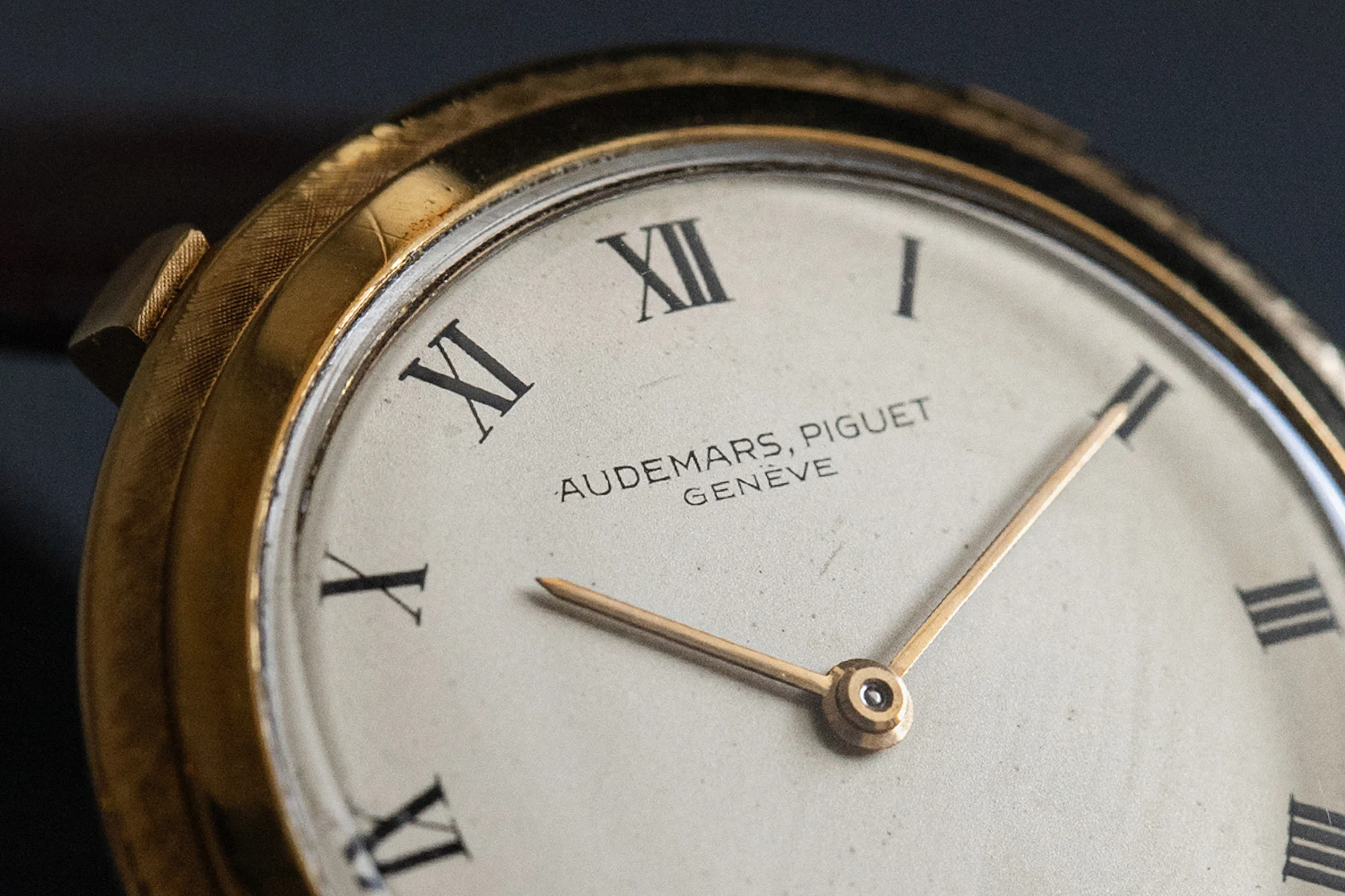
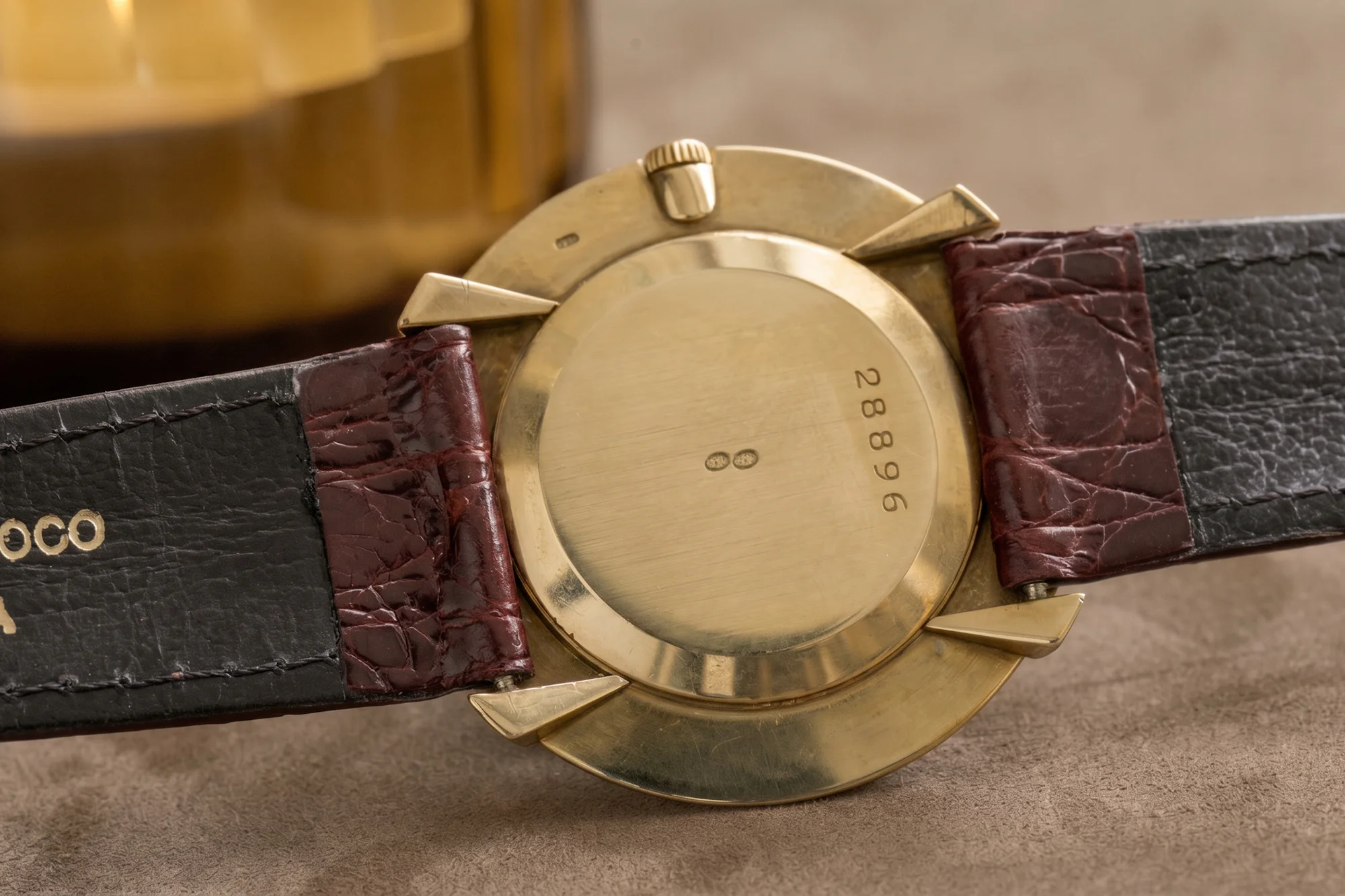
- Audemars Piguet 18K Gold Wristwatch With Hidden Lugs, Circa 1960
- Hamilton K-475, Gold Plated, Circa 1960
- Patek Philippe Platinum Openface Pocket Watch, Circa 1932
- Waltham Octagonal 14K Gold Pocket Watch, Circa 1920
- Pattern Recognition B-Theory With Titanium Hand-Decorated Bracelet Variations




Video Director: David Aujero
Producers: David Aujero, Sarah Reid Stacey
Photographer: Shota Akiyoshi, David Aujero
Camera Operator: Shota Akiyoshi, Max Rosen
Video Editor: Max Rosen